

By Robert Weitz, Principal, RTK Environmental
This winter did not go easy on homes across the Northeast. We saw extended cold, heavy snow, and a lot of ice dams. Now everything is melting, and this is when I start getting calls.
What many homeowners do not realize is that the damage does not always show up right away. Water from ice dams can work its way under shingles and into attics, ceilings, walls, and insulation. Once that moisture is trapped, mold can begin to grow in as little as 24 to 48 hours.
Spring cleaning is the right time to look deeper. Here are five things I tell homeowners to check every year, especially after a winter like this.
Start in the attic, trust your nose
If there is one place I want you to check first, it is your attic.
You are not just looking for visible damage. You are looking for a musty smell. That is often the first sign that mold is present. By the time you see mold, the problem has usually been there for a while.
Ice dams push water into areas you cannot easily see. That moisture sits in insulation and wood and creates the perfect environment for mold growth.
Look up, your ceilings will tell you a story
Ceilings are one of the easiest places to spot water intrusions after the fact.
If you see staining, discoloration, peeling paint, or bubbling, that is not just cosmetic. That means water has already made its way into your home.
What concerns me more is what you cannot see. That same water may still be sitting behind the ceiling or inside the wall cavity.
Check the places where water quietly builds up
Moisture problems do not always start with a big leak. Most of the time, they build slowly in areas you use every day.
Start under your kitchen and bathroom sinks. Look for dampness, corrosion, or water stains. A small leak caught early is manageable. Left alone, it turns into a much bigger issue.
Bathrooms are another problem area. Mold tends to grow on shower curtains, bathmats, and in the cracks and crevices of tubs and showers. These are easy to overlook during routine cleaning.
Ventilation plays a big role here. Bathroom exhaust fans should be cleaned every three to six months. After a shower, let the fan run for an extra 30 minutes. That pulls moisture out of the air and helps prevent mold from taking hold.
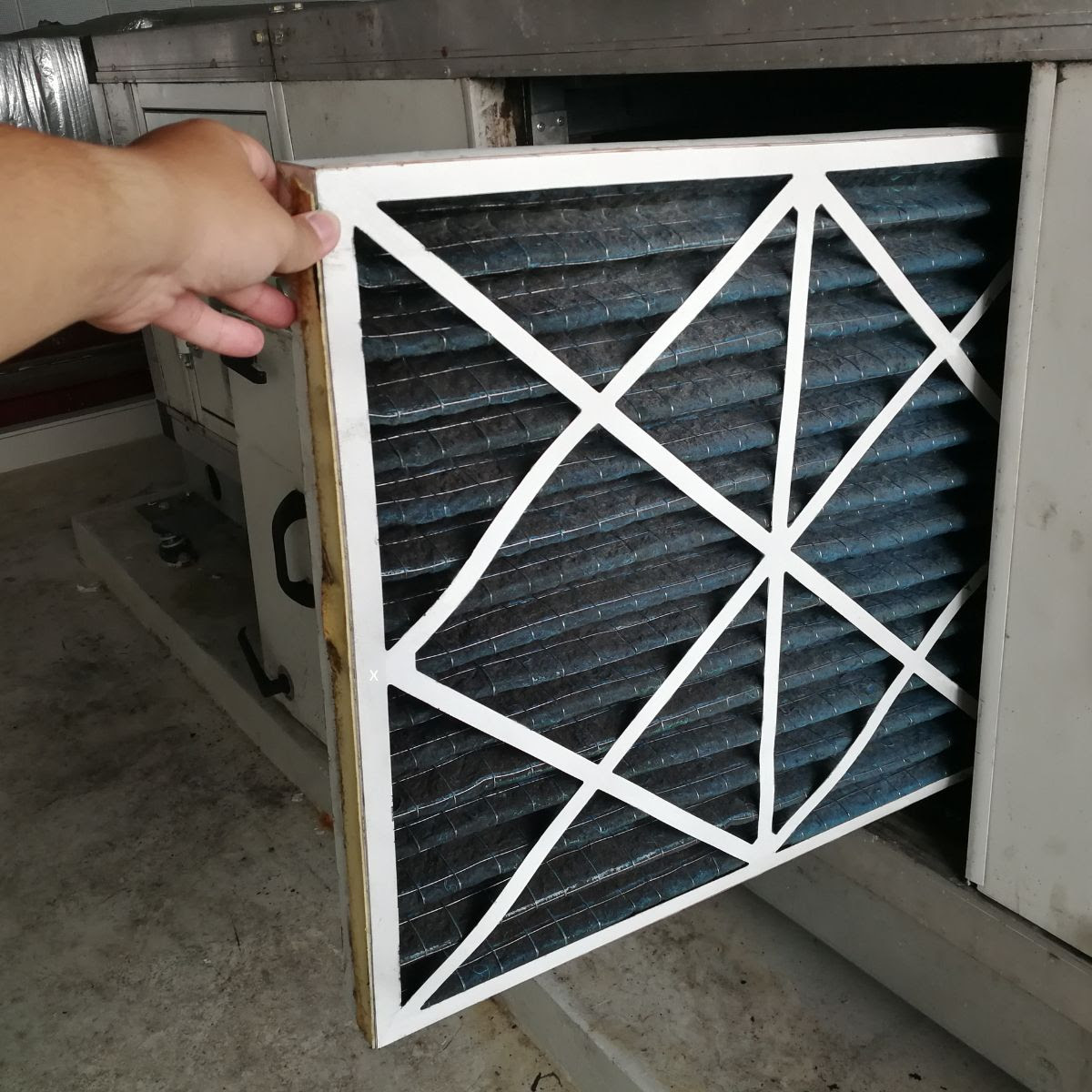
Change your HVAC filters, your air has taken a hit
After a winter with your home sealed tight, your indoor air quality is not where you want it to be. The EPA has found that indoor air can be two to five times more polluted than outdoor air. When air is not circulating properly, those pollutants stay trapped inside.
Now layer in what happens over the winter. Dust, debris, and even mold can build up in HVAC systems and filters. If those filters are not changed, you are circulating those particles throughout your home every time the system runs. This is something I see overlooked all the time.
Changing your HVAC filters is a simple step, but it makes a real difference. It helps keep mold spores and dust from moving through the air, which is especially important if anyone in your home has allergies or asthma.
Opening walls this spring? Know what you are exposing
Another mistake I see all the time is jumping into spring projects without understanding what is behind the surface.
If your home had any moisture from ice dams or leaks, there is a real chance mold is already present inside walls or ceilings. And in many homes, building materials may also contain asbestos or lead.
Once you start cutting or removing materials, you are no longer dealing with a contained issue. You can spread contaminants throughout the home without realizing it.
This is why testing before renovation matters. It gives you a clear picture of what is there before you disturb it.
A quick reality check for spring cleaning
If your home went through a winter with snow buildup and ice dams, assume there was some level of moisture intrusion.
That does not mean you have a major problem. It does mean you should look carefully.
At a minimum:
- Check your attic for musty odors
- Look at ceilings and walls for watermarks
- Inspect under sinks and high-moisture areas
- Change HVAC filters
- Be cautious before starting any renovation work
If something smells off or looks questionable, have it professionally tested by an independent inspector.
Why is an Independent Mold Inspector Important?
It is important to work with an independent testing company, as companies that both test and remediate have a clear conflict of interest. RTK Environmental is a licensed, trusted environmental testing firm based in Fairfield County that performs testing only and does not do remediation. That means the results are objective and focused on giving you a clear understanding of what is present in your home, along with accurate data on the extent of the issue and a clear plan for how to address it safely.
Do DIY Mold Testing Kits Work?
DIY mold test kits often give incomplete or misleading results because they cannot determine all the types of mold that are there, the type of mold, the concentration, or the source. They also do not provide a clear path for what to do next.
Spring cleaning is not just about making your home look good. After a winter like this, it is about making sure it is healthy.
Have questions? Call RTK Environmental at (800) 392-6468 or visit the website here.