
by PuroClean of Greenwich | Stamford
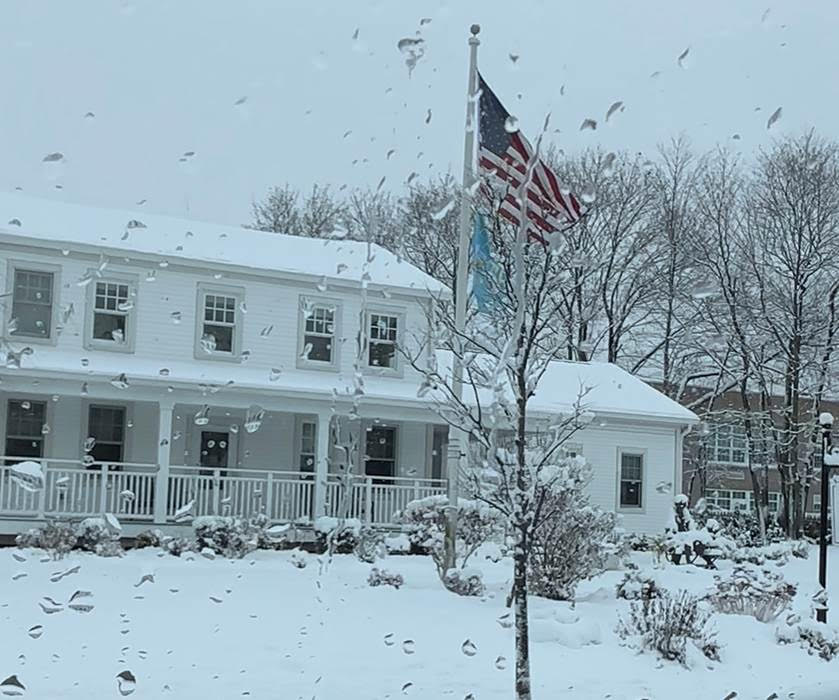
Cold Weather Protection for Homeowners is essential with winter weather and storm damage in our area becoming increasingly unpredictable in recent years. Homeowners are seeing heavier snow bursts, rapid freeze–thaw cycles, stronger coastal winds, and fast-moving storms. This shift has led to a steady increase in winter storm damage in our area, affecting everything from roofing and gutters to plumbing and foundations.
Because many homes in these communities are older—colonials, capes, historic properties, and mid-century builds—they often have aging roof systems, limited insulation, and outdated drainage infrastructure that make them more vulnerable during severe winter weather.
Typical Fairfield County storms now bring:
- Wet, heavy snow that strains roofing
- Sleet that freezes into ice overnight
- Coastal winds that drive water into siding
- Rapidly forming ice on gutters and roofs
- Drains clogged by frozen debris
Whether you’re a homeowner, property manager, or HOA, understanding how winter storm damage in Greenwich and Stamford occurs is the key to preventing costly repairs and protecting your home before the next nor’easter hits.
1. Why Winter Storm Damage in our Area is a Growing Concern
Local homes face a unique mix of weather threats that compound winter vulnerabilities.
Freeze–Thaw Cycles: Daytime melting and nighttime refreezing create pressure on:
- Roof shingles
- Gutters
- Siding and exterior walls
- Windows and flashing
- Masonry
This repeated expansion and contraction weakens structures over time.
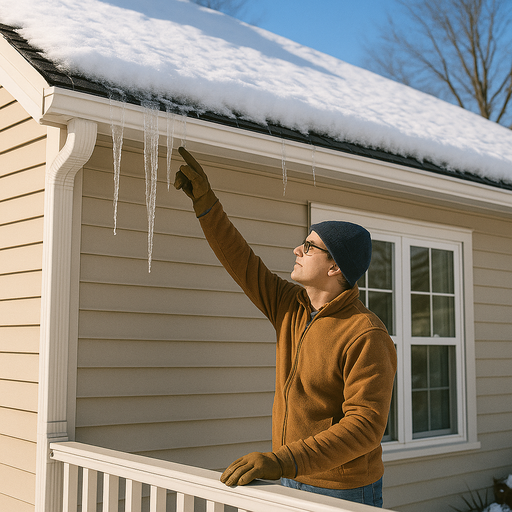
Ice Dams: When heat escapes into the attic:
- Snow melts on the roof
- Water flows downward
- It refreezes at the roof edges
- Ice traps water behind it
- That water leaks under shingles into ceilings and walls
Ice dams are one of the leading causes of winter storm damage in Greenwich and Stamford homes.
Heavy, Wet Snow: Wet snow can weigh more than 20 pounds per square foot, stressing roofs—especially older or unreinforced structures.
Wind-Driven Moisture: Coastal gusts push snow and rain into:
- Weak flashing
- Chimney bases
- Gaps in siding
- Roof valleys
Foundation Flooding: Snowmelt flows toward a home when grading, gutters, or drains are compromised.
Frozen Pipes: Exposed plumbing freezes, cracks, and floods interior spaces.
Understanding these causes helps homeowners reduce the risks of winter storm damage in Greenwich and Stamford during harsh weather.
2. How Winter Storms Cause Water, Ice & Roof Damage
Understanding how winter storm damage in Greenwich and Stamford occurs and how to help prevent costly repairs later.
Freeze-Thaw Cycles: During storms, water melts during the day and refreezes at night.
This creates pressure on roofs, siding, exterior walls, windows, and gutters.
Ice Dams: Ice forms at the edge of the roof, trapping water behind it.
This water backs up under shingles and leaks into ceilings and walls.
Heavy Snow Load: Wet snow can weigh up to 20 pounds per square foot, stressing roof structures.
Wind-Driven Rain & Snow: Coastal gusts push moisture under shingles, around chimneys, and through weak flashing.
Foundation Flooding: Snowmelt flows toward homes with poor grading or clogged drains.
Frozen Pipes: Exposed lines crack during freezing nights, causing immediate flooding.
These issues make proactive preparation essential for preventing winter storm damage in Greenwich and Stamford, CT.
3. Preparing Your Roof for Winter Storms
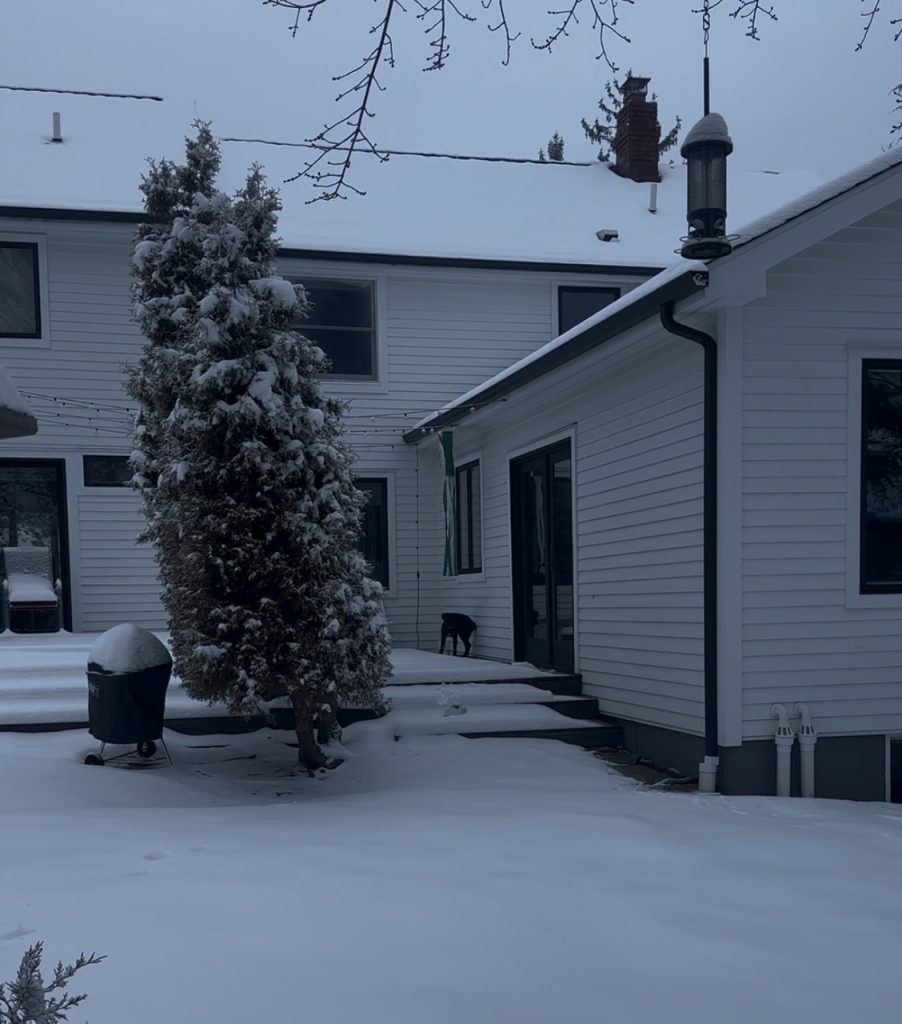
A roof is the first line of defense against winter storm damage. Whether you live in North Stamford, New Canaan, Cos Cob, or downtown Greenwich, roofing systems face the same hazards.
Schedule a Professional Roof Inspection: Have a roofing professional examine:
- Shingles for cracks or lifting
- Flashing around chimneys & vents
- Ridge caps
- Roof valleys
- Underlayment integrity
- Attic moisture
Greenwich’s older homes and Stamford’s coastal neighborhoods frequently have roofing vulnerabilities that only appear during heavy snow or ice accumulation.
Clear Debris Before Storms:
- Leaves
- Branches
- Acorns
- Moss
Debris traps moisture and accelerates ice formation.
Trim Overhanging Trees: Branches weighed down by ice can:
- Snap onto roofs
- Hit power lines
- Damage gutters
- Puncture shingles
Tree trimming is one of the easiest ways to reduce Greenwich Stamford winter storm damage.
4. Preventing Ice Dams in Greenwich & Stamford
Ice dams are one of the most common sources of winter water damage in this area. They occur when warm air in the attic melts snow on the roof, which then refreezes at the edges.
How to stop ice dams:
- Improve Attic Insulation: Air leaks force heat into the attic, melting snow unevenly. Add insulation to maintain consistent roof temperature.
- Increase Attic Ventilation: Ventilation prevents warm air from accumulating. Clear soffit vents, ridge vents, and attic openings.
- Seal Gaps Around Interior Openings: Seal gaps around
- Attic doors
- Recessed lights
- Bathroom vents
- Chimney gaps
- Plumbing penetrations
- Install Roof Heating Cables: These cables maintain a safe temperature to prevent ice buildup.
- Safely Remove Snow: Use a roof rake after storms to clear the first 2–3 feet of snow.
Doing this can dramatically reduce winter leak risks.
5. Protecting Gutters, Drains & Foundations
Gutters are extremely vulnerable in Greenwich and Stamford due to:
- Heavy tree coverage
- Coastal winds
- Steep roof angles
Keeping water moving away from your home is key to preventing storm damage in Greenwich and Stamford.
Clean Gutters & Downspouts: Clogged gutters turn melting snow into standing water, which freezes and forms damaging ice dams.
Check Downspout Extensions: Extensions should direct water at least 5–10 feet away from the home.
Clear Exterior Drains because snow can bury:
- Basement stair drains
- Driveway drains
- Patio drains
- Courtyard drains
Blocked drains = indoor flooding after storms.
Inspect Foundation Grading: Ensure soil slopes away from exterior walls.
This reduces basement water intrusion during snowmelt.
6. Winterizing Outdoor Areas & Vulnerable Structures
Greenwich and Stamford homes often include:
- Detached garages
- Guest houses
- Sunrooms
- Pool houses
- Workshops
- Sheds
These structures often have exposed plumbing, minimal insulation, and older roofs — all contributing to Greenwich Stamford winter storm damage.
Winterizing Checklist for Outbuildings:
- Shut off and drain water lines
- Insulate pipes
- Seal drafts around doors and windows
- Add weatherstripping
- Reinforce roofing materials
- Cover exterior vents as needed
- Install space heaters only if supervised & safe
Protect Outdoor Furniture & Equipment: Snow, ice, and wind accelerate deterioration. Store items or secure them to prevent damage.
7. Emergency Planning for High-Wind & Coastal Storms
Coastal storms are a significant concern for both Greenwich and Stamford — especially in areas like:
- Old Greenwich
- Riverside
- Shippan
- Cos Cob
- Waterside
Winter coastal storms bring:
- 50+ mph gusts
- Flying debris
- Wind-driven snow
- Saltwater spray
- Power outages
Create a Home Emergency Kit Including:
- Flashlights
- Batteries
- Water
- Blankets
- First aid
- Phone chargers
- Non-perishable food
Check Backup Power Generators must be:
- Fueled
- Maintained
- Used outdoors only
- Positioned away from windows or vents
Reinforce Windows & Doors by Installing:
- Storm shutters
- Temporary plywood
- Weatherstripping
- Bracing for older windows
Secure Outdoor Objects by Tying Down:
- Grills
- Trash bins
- Umbrellas
- Planters
High winds can turn these into projectiles.
These steps reduce the severity of Greenwich Stamford winter storm damage during extreme weather.
8. What To Do If a Winter Storm Causes Damage
When a storm hits, taking quick action prevents secondary issues like mold or structural warping.
Step 1: Document the Damage by taking:
- Photos
- Videos
- Notes on timing
This is essential for insurance.
Step 2: Protect the Area. If safe:
- Shut off water
- Move furniture
- Lay towels or tarps
- Block drafts
- Cover roof leaks with a temporary tarp
Step 3: Contact PuroClean of Greenwich | Stamford. We respond 24/7 to:
- Water intrusion
- Roof leaks
- Ice dam water damage
- Basement flooding
- Storm debris
- Frozen pipe bursts
Step 4: Notify Insurance. Early reporting speeds up approvals.
Step 5: Avoid DIY Drying. Winter moisture hides in:
- Walls
- Insulation
- Flooring
- Ceilings
This leads to mold growth within 48 hours. Professional drying prevents long-term structural issues.
How PuroClean of Greenwich | Stamford Helps After Storm Damage
Our team handles all aspects of Greenwich Stamford winter storm damage recovery.
Our Services Include:
- 24/7 emergency response
- Water extraction
- Structural drying
- Roof tarp installation
- Ice dam mitigation
- Mold prevention
- Debris removal
- Odor neutralization
- Content cleaning
- Insurance coordination
We help residents and property managers restore their properties quickly and safely.
10. Local Winter Resources
Click here for The Town of Greenwich – Emergency Management
Click here for The City of Stamford – Storm Preparedness
Click here for FEMA Winter Weather Safety
11. Final Thoughts
Winter brings beauty to Fairfield County — but also risk.
By preparing roofs, gutters, foundations, outbuildings, heating systems, and drainage, homeowners across Greenwich and Stamford can significantly reduce the chances of winter storm damage this season.
And when storms do cause harm, PuroClean of Greenwich | Stamford is here 24/7 with fast, local, professional restoration services.
Stay prepared. Stay protected. Stay safe.